
A 100-year-old industry. A two-year conversation. One leadership team that changed how it saw the future.
A major UK social housing provider was mid-transformation and on track. But the CEO had a harder question: was the organisation being ambitious enough about what came next?
We designed and ran a three-year strategic foresight programme with the Senior Leadership Team, combining a full service blueprint with annual sessions that brought outside thinking into the room. The result was a leadership team that permanently changed how it saw its future.
What felt ambitious in 2018 became table stakes by 2022. This organisation was already there.
100:1
cost ratio between traditional and digital tenant contact - closed by the blueprint
48%
higher revenue growth in organisations with digitally literate senior leadership teams — MIT CISR
46%
of housing association leaders named cost-cutting as their main digital goal in 2018. This organisation was already looking beyond it.
4 years
ahead of the sector. By 2022, nearly half of housing association leaders still lacked data quality for effective strategic decisions.
The brief
The organisation had just emerged from a major merger. A digitisation programme was underway and going well. They weren’t in trouble. That was almost the problem. But the CEO recognised something harder to name: the leadership team were solving for today's problems while the world around them was shifting in ways that demanded a fundamentally different kind of thinking.
The brief wasn't to run a workshop. It wasn't to produce a strategy. It was to change how a senior leadership team thought about the future, and to do it in a way that felt earned rather than imposed.
The questions on the table weren't operational. They were existential:
Are we a housing provider, or the builder of communities?
Are we customer-centric, innovation-driven, or cost-driven?
How do we make ourselves sustainable for the next decade?
Regulated organisations with social purpose can't pivot on instinct. Every idea has to survive contact with mission, compliance and community. The challenge was to open up the thinking without leaving the team unmoored.
-
Full lifecycle mapping across customer, staff and systems, revealing three duplicated transformation workstreams
-
Annual external perspectives on AI, blockchain and experience design with the Senior Leadership Team
-
Fully-formed proposition, service blueprint & business model
-
The concept was presented to the board. Rather than building an internal competitor, the company embedded the strategic thinking directly into their core offering.
process & OUTCOMEsThe approach
Phase 1: Service blueprint
We started in March 2018 with a scoping and research phase, followed by two away days with the Senior Leadership Team.
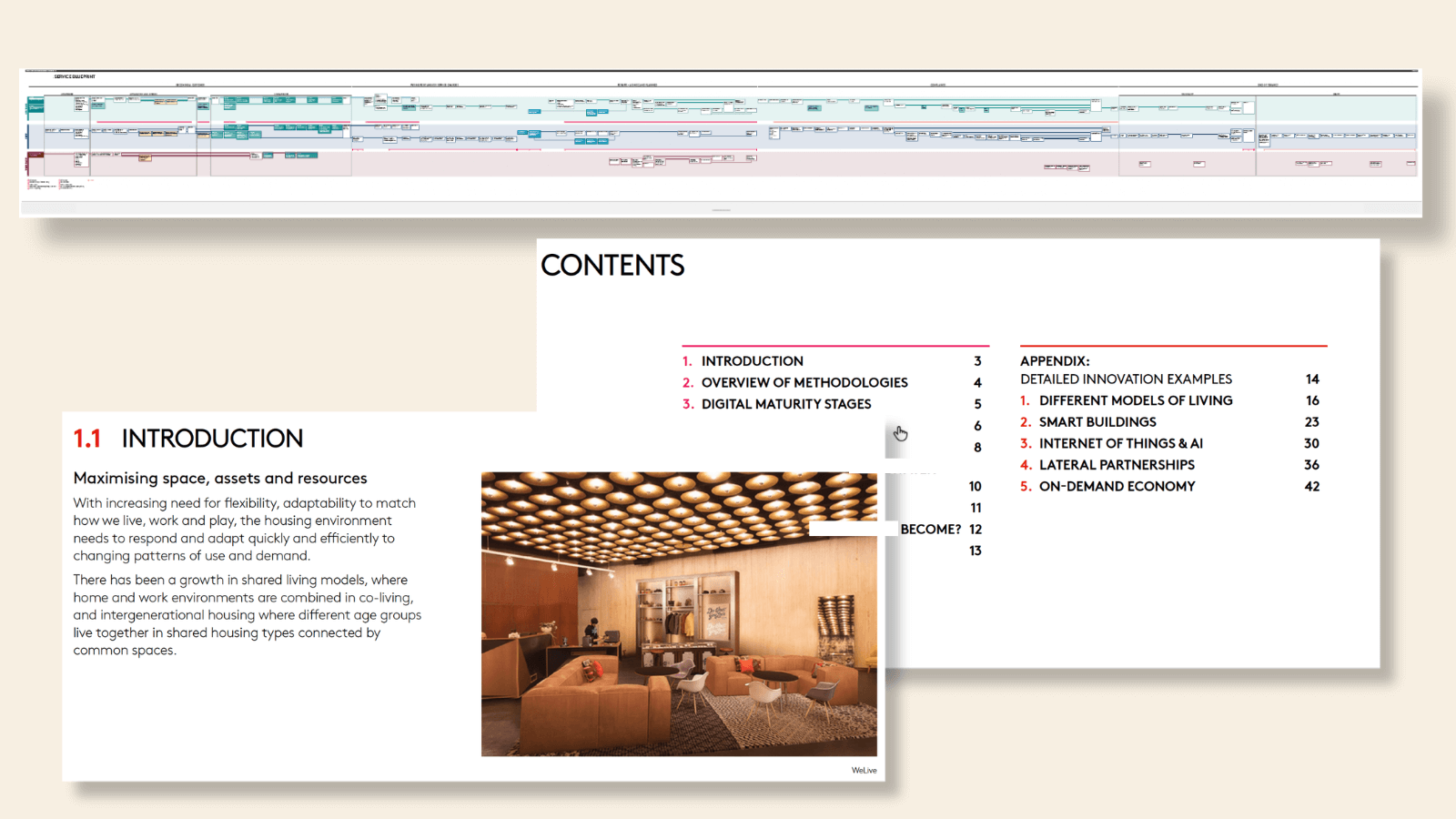
The first day focused around a full service blueprint, built collaboratively in the room. It made complexity legible. And it immediately revealed that three major transformation projects were targeting the same stage of the customer journey, thereby duplicating effort while other areas went untouched.
That single finding changed the conversation from "how do we deliver this?" to "are we pointed at the right things?"
Phase 2: Look outside the sector
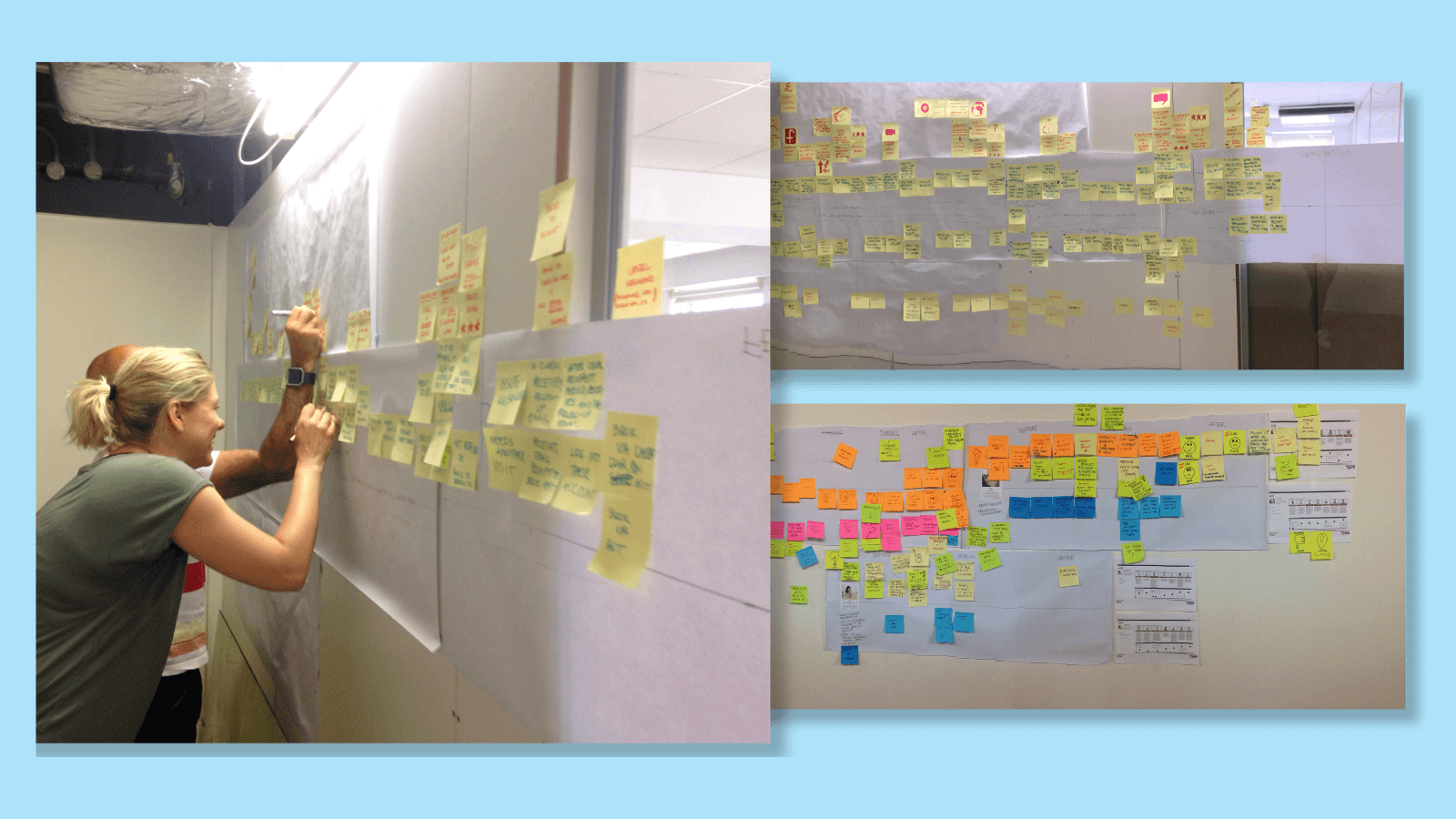
Senior stakeholders. A blank piece of paper. No sacred cows.
Ideas explored included:
Smart city data partnerships
Nano-chip pest tracking
Consultancy for urban regeneration projects
Blockchain-enabled smart contracts
On-demand service platforms
All ideas were mapped on an impact/feasibility matrix.
Two strategic themes emerged:
Large scale connectedness: IoT, data and smart infrastructure operating at city scale
Personal-level service: on-demand platforms and messaging tools transforming customer experience
Phase 3: Concept sprint
The workshop thinking was synthesised into a fully-formed startup concept designed to connect local pest technicians with customers the way Uber connects drivers with passengers.
The problems it solved:
No fast way to book same-day pest control
Inconsistent quality between local providers
Patchy DIY product support
Opaque pricing
The proposition:
On-demand same-day booking
Tiered subscription model for ongoing prevention
Premium video pest identification and advice
DIY product support
Free services for community and social organisations
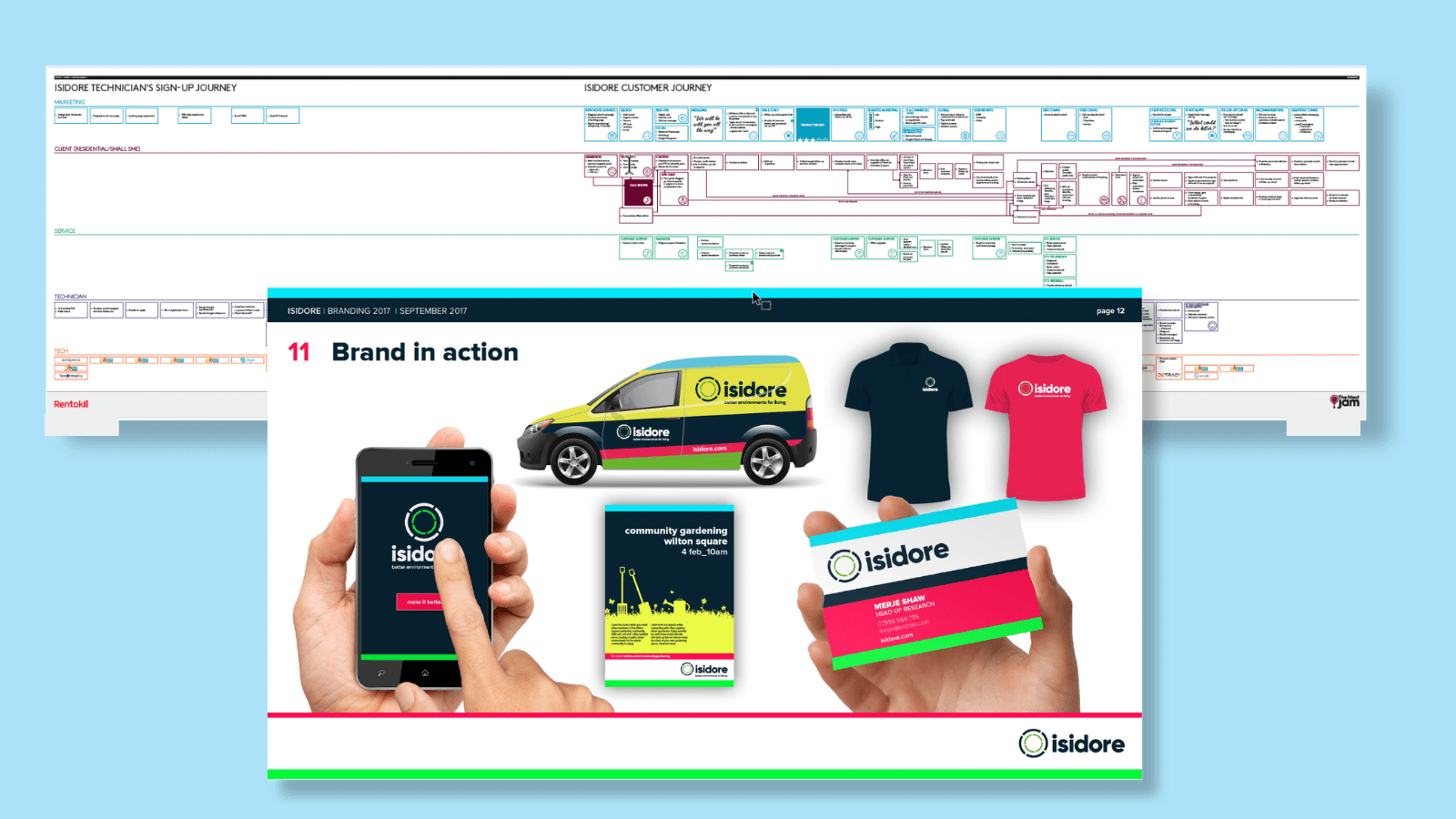
The blueprint: A five-layer service blueprint that mapped everything: customer discovery, chatbot-assisted diagnosis, technician dispatch, service delivery and post-visit follow-up alongside the full technician onboarding journey and technology stack.
The outcome
The concept was presented to the board. Rather than building an internal competitor, the company embedded the strategic thinking directly into their core offering.
What followed validated every major call the project made.
What’s more, team members that worked on this project gained valuable experience in innovative thinking and a fresh perspective which had a lasting impact on the organisation.
What we identified
Service disruption opportunity
Connected device potential
Omnichannel customer experience
Chatbot and messaging integration
AI and predictive pest control
What they did
Launched on-demand digital services
Grew network to 500,000 devices
Rolled out across 18 countries
WhatsApp, chatbot and CRM deployed
Launched AI-based pest control services
“Innovation in pest control is still very product and device-driven - leaving a huge opportunity for market disruption from the service side.”
— From the original research, August 2017. We weren't wrong.